Guildford Road Epsom removals for narrow access homes: a practical guide to moving safely on a tight street
If you are planning Guildford Road Epsom removals for narrow access homes, you probably already know the tricky bit is not the packing box. It is the getting-in, getting-out, and not clipping a mirror on the way past a wall that suddenly feels two inches closer than you expected. Narrow driveways, tight turn-ins, limited parking, and awkward front paths all change the shape of a move. And on a road like Guildford Road, that matters more than most people first assume.
This guide walks you through what makes these moves different, how to plan them properly, what good practice looks like, and where people usually trip up. If you want a calmer move, fewer surprises, and less heavy lifting in a pinch-point, you are in the right place. Truth be told, a well-planned narrow-access move often feels easier than a "simple" move that was never properly measured.
Why Guildford Road Epsom removals for narrow access homes Matters
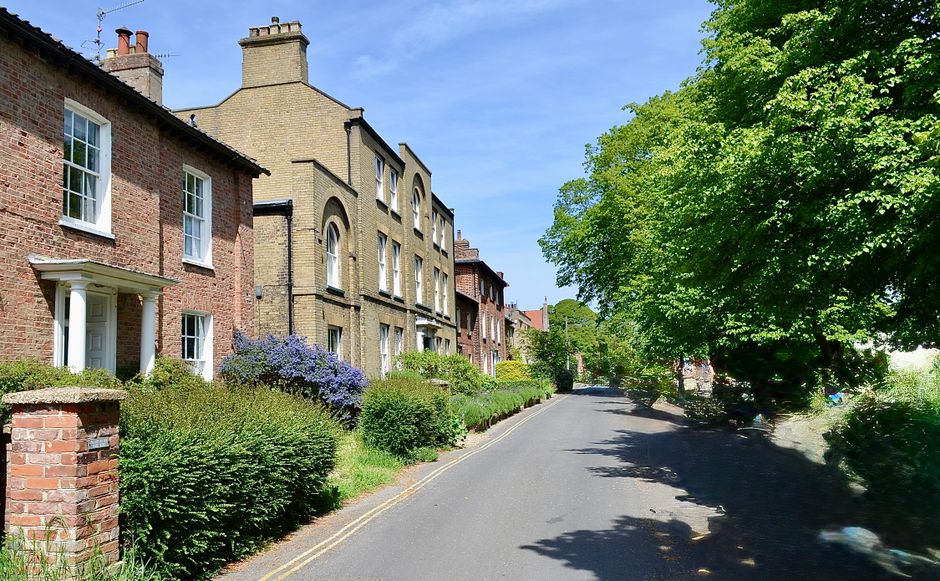
Narrow access changes the entire removals job. A van that would be perfectly fine on a normal suburban road can become a headache if there is no easy place to stop, no wide turning space, or a low-hanging tree that was not on anyone's mental map during the quote stage. On Guildford Road, the main issue is not just distance. It is geometry. You are dealing with angles, width, kerb height, neighbours' cars, and often a front door that sits a bit too close to the pavement for comfort.
That is why specialist planning matters. A mover who understands tight-access homes will think beyond "how many bedrooms?" and ask more useful questions: Can a van safely stop outside? Will we need a shorter vehicle? Is there a time window with better parking? Can furniture be carried directly, or will some items need a staged handball? These details shape the move, the timing, and the cost more than people expect.
There is also the stress factor. If the access is awkward and nobody has planned for it, the day can start with frustration before the first sofa has moved an inch. If you have ever watched a van inch forward, reverse, adjust, and reverse again while everyone stands in silence, you will know the feeling. Not ideal.
For a wider local context about the area, you may also find our guide to Epsom's local character and neighbourhood feel useful, especially if you are weighing up how your street layout affects moving day.
Key point: narrow access homes are not difficult because they are "small". They are difficult because access is constrained, and constraints need planning.
How Guildford Road Epsom removals for narrow access homes Works
The process usually starts with an access check. In practice, this is the stage that saves the most time later. A mover will want to know whether the vehicle can reach the property, whether there is room to unload safely, and whether any items need to be carried around corners, through tight hallways, or down steps that make a trolley less useful than it sounds on paper.
Once the access is understood, the move can be designed around it. For some homes, that means using a smaller van and making more than one run. For others, it means parking at the nearest workable point and carrying items a short distance. Sometimes it means splitting the job into "large item first, boxes second" so the heaviest furniture is handled while everyone is fresh. Sensible, really.
Here is the rough flow most narrow-access removals follow:
- Initial survey or access discussion - confirm driveway width, turning space, parking options, steps, and any obstacles.
- Vehicle planning - choose the right van size or combination of vehicles for the street.
- Packing and item prep - protect fragile pieces, dismantle bulky furniture where useful, label boxes clearly.
- Arrival and positioning - stop as close as safely possible without blocking access or causing risk.
- Careful loading - use blankets, straps, dollies, and correct lifting technique.
- Unloading and placement - move items in the right order so the tightest items are placed first and the rest follows smoothly.
That may sound straightforward, but the order matters. For instance, if a tall wardrobe is moved last, it can block the hallway while everyone else waits. If it is moved first, the rest of the job usually flows better. Small decisions, big difference.
For homeowners planning a full property move, our house removals in Epsom page is a useful next read, while man and van Epsom support can suit smaller, more flexible jobs.
Key Benefits and Practical Advantages
The big advantage of a properly managed narrow-access move is control. Instead of hoping the van fits and the team can "figure it out on the day", you get a plan that fits the actual street and property layout. That reduces delays, avoids unnecessary damage, and tends to keep the mood better, which honestly is half the battle.
- Less damage risk: fewer awkward pivots through tight entrances means less chance of scuffed walls, scratched floors, or chipped furniture.
- Better timing: planned access makes arrival, loading, and unloading more predictable.
- Safer lifting: if a long carry or handball is needed, the team can prepare for it instead of improvising.
- Lower stress: you know in advance what is realistic and what is not.
- More efficient vehicle choice: the right van can save multiple trips or an over-complicated parking setup.
There is another, quieter benefit: better communication with neighbours. On a narrow road, especially where parking is already tight, a move can affect everyone. If you have a clear plan and a realistic arrival window, it is easier to avoid that awkward "sorry, we'll only be five minutes" dance that turns into twenty.
If you are comparing move types, the broader removal services in Epsom overview can help you match the right service to the access conditions, while a suitable removal van in Epsom matters when road width is the main constraint.
Who This Is For and When It Makes Sense
This kind of move makes sense for anyone living on or near a tight residential road, but it is especially relevant if your home has one or more of these features:
- a narrow front path or entrance
- a small driveway or no driveway at all
- steep steps or a split-level entrance
- shared access with neighbouring homes
- restricted parking close to the door
- bulky furniture that will not turn easily indoors
- fragile items that need extra protection during a longer carry
It is also a strong fit if you are moving at a time when parking pressure is higher, such as a weekday morning school run or a busy weekend. Guildford Road itself can be the sort of place where the "last ten metres" becomes the real challenge. You notice it quickly once a van arrives and the space disappears around it like water down a sink.
These moves are common for families, downsizers, first-time buyers, renters shifting between flats and houses, and people moving with awkward items like upright pianos or oversized furniture. If that sounds familiar, our page on furniture removals Epsom may help, and piano removals Epsom is worth a look if the move includes specialist items.
There is no shame in admitting the street is tight. Better to plan around it than pretend it is not there. Let's face it, the wall is not going to move for you.
Step-by-Step Guidance
1. Measure access before you do anything else
Check the width of the drive, the gate, the path, and any turns between the van and the front door. If the property has steps, note how many and whether the landing is level enough for larger items. A tape measure and a quick walk-through can save a lot of guesswork.
2. Identify the biggest problem item
Every move has one awkward thing: a wardrobe, sofa, bed frame, piano, fridge freezer, or that one box that is heavier than it looks. Find the biggest challenge early. If the biggest item can pass through the access route, the rest usually becomes much easier.
3. Decide whether the van can stop at the property
If not, determine the closest safe stopping point. On narrow roads, this often matters more than vehicle size alone. A slightly smaller van parked well is usually more useful than a large van that cannot position properly.
4. Prepare items for quicker handling
Dismantle beds where practical, remove drawers, wrap delicate surfaces, and keep small parts in labelled bags. This is boring work, yes, but it cuts time on the day. Small effort now, fewer headaches later.
5. Pack in a way that suits the route
Boxes should be sturdy, balanced, and not too heavy for steps or long carries. Put essentials where you can reach them fast. If you have not already sorted supplies, packing and boxes Epsom support can make a real difference in how tidy the move feels.
6. Reserve a realistic unloading order
Get the practical items placed first: beds, white goods, and essential furniture. Boxes can follow. If you load or unload in the right order, you avoid the very common "we need that one box first, and it's at the back" moment. Happens all the time.
7. Leave space for flexibility
With narrow access, plans need a little breathing room. A parked car, a courier van, or a neighbour coming home at the wrong time can change the setup. Build in some buffer. The move will feel calmer for it.
Expert Tips for Better Results
After enough narrow-access moves, a pattern emerges. The same small details keep making the difference.
- Use the shortest safe carry route. Sometimes that means moving through a side path rather than trying to force the obvious entrance.
- Protect corners before moving anything bulky. A bit of extra floor and wall protection is cheaper than fixing a scuff after the fact.
- Work top-down in the property. Clear upstairs items early if stairs are involved, while the team is still fresh.
- Keep a parking plan in writing. Even a simple note or message helps everyone remember where the van is meant to go.
- Tell the movers about every awkward item. The last thing anyone needs is a surprise freezer hidden in the shed.
A small but useful tip: take photos of the access route in daylight and share them before moving day. A quick picture of a narrow gate or a tight corner can say more than ten minutes of description. You do not need a film crew. Just a phone camera and a bit of common sense.
If the move is urgent, same day removals Epsom can be relevant, but only when the access details are clear enough to avoid a last-minute scramble. For a broader sense of the area and local moving conditions, our KT17 removals insight near the High Street also gives useful local context.
Common Mistakes to Avoid
Narrow-access removals are usually lost before the van even arrives. The most common mistakes are not dramatic; they are just preventable.
- Assuming the van will fit because a car fits. That is not the same thing at all.
- Ignoring turning space. A vehicle may be able to drive in but not turn safely to leave.
- Not mentioning steps, slopes, or tight hallways. These details change labour time and handling requirements.
- Leaving parking too late. On a constrained road, parking is part of the move, not a side issue.
- Packing overly heavy boxes. Heavy boxes are miserable on stairs and risky in hand-carry situations.
- Forgetting about neighbour access or shared spaces. Shared drives and front gardens can complicate loading more than expected.
Another common mistake is underestimating time. People often think, "It is only a short road, so it should be quick." But tight access can slow even a small move if every item has to be navigated carefully. No shame in allowing extra time. In fact, that is usually the smart move.
Tools, Resources and Recommendations
You do not need specialist equipment for every move, but the right tools make tight-access jobs cleaner and safer. A good removals team will typically rely on practical kit such as blankets, straps, trolleys, protective covers, and proper lifting aids. The value is not in the kit itself. It is in knowing when to use it.
| Method | Best for | Pros | Trade-offs |
|---|---|---|---|
| Small van access | Very tight roads, limited parking, shorter carries | Easier positioning, less street obstruction | May require more than one trip |
| Medium van with handball | Roads where stopping close is possible but not perfect | Good balance of capacity and flexibility | Needs more manual carrying |
| Staged loading | Moves with many bulky items or complex interiors | Reduces chaos, easier item sequencing | Takes more planning |
| Partial dismantling | Wardrobes, beds, large furniture | Improves fit through narrow routes | Requires time and careful reassembly |
For storage overflow or delayed completion, storage in Epsom can be useful, especially if access means not everything can move in one clean run. And if your move is part of a bigger property transition, the Epsom buying and selling guide helps frame the moving timeline a bit more sensibly.
Practical recommendation: always pair access planning with item planning. One without the other is where delays creep in.
Law, Compliance, Standards and Best Practice
For narrow-access removals, the main compliance concerns are safety, handling, and responsible operation rather than complicated legal paperwork. In the UK, good practice means working safely around property, public roads, and pedestrians, and making sure loading, parking, and lifting are handled with care. A competent mover should treat the route, the vehicle, and the items as part of the same safety picture.
That usually means a few sensible standards: no unsafe blocking of the road, no rushing through tight spaces, clear communication with the customer, and proper care around heavy lifting. If an item looks too awkward or too risky to take the wrong way, it should be assessed properly rather than forced. Common sense, really, but worth saying.
It is also fair to expect transparent terms, clear pricing, and appropriate insurance arrangements. A narrow-access move can involve extra handling or extra time, so the customer should know what is included and what is not. If you want to check the service framework behind the move, our services overview, insurance and safety, and health and safety policy pages offer helpful background.
There is a quieter part of compliance too: respecting neighbours and the local environment. On narrow streets, good movers do not just think about the customer's front door. They think about pavement access, noise, obstruction, and how to complete the job without turning the road into a problem for everyone else.
Options, Methods, or Comparison Table
There is no single best approach for every Guildford Road move. The right method depends on access width, item size, parking, and how far the carry is. Here is a simple comparison to help you think it through.
| Approach | When it works best | Why people choose it | What to watch out for |
|---|---|---|---|
| Full-size removals vehicle | When access is wider than expected and parking is workable | Good for larger loads | Can be awkward on narrow roads |
| Smaller removal van | When street access is tight and stopping space is limited | More manoeuvrable | May need extra trips |
| Man and van support | Smaller homes, lighter loads, flexible timing | Cost-effective and adaptable | Less suited to very large or specialist items |
| Part-load with storage | When access or timing does not allow everything at once | Reduces pressure on moving day | Needs organisation and planning |
If you are moving from a flat or smaller property into or out of a tight-access home, it can help to compare this with flat removals Epsom or more general removals Epsom support. Different property types need different handling, and it pays to be honest about that.
Case Study or Real-World Example
A fairly typical example: a family moving from a narrow-access house off Guildford Road with a slim front path, one awkward turn into the hallway, and limited parking outside. The biggest issue was not the boxes. It was a large wardrobe, a sofa with a wide arm profile, and a staircase that narrowed slightly at the bottom. On paper, the job looked manageable. In reality, the route to the van was the puzzle.
The solution was simple but effective. The team walked the route first, decided on a smaller van position, dismantled the wardrobe, and loaded the sofa before the smaller items. A second person stood ready to guide corners and protect the walls. The move took a bit longer than a standard house on an open road, but it stayed controlled, with no last-minute panic and no "can we just squeeze it through?" moment. Which, honestly, is the kind of day you want.
There was also a nice little side effect: because the plan was clear, the neighbours were not inconvenienced for long. A bit of patience, a bit of communication, and the road stayed usable. That small detail matters more than people think.
For moves involving students, first-time renters, or people on shorter timelines, our student removals Epsom page may also offer a useful comparison point, especially if the property is compact but access is the real challenge.
Practical Checklist
Use this checklist before moving day. Keep it on your phone, scribble it on paper, whatever works.
- Measure the narrowest point of the route from property to van
- Check for steps, slopes, tight turns, and low obstacles
- Identify the largest and heaviest item first
- Confirm where the van can safely stop
- Warn movers about shared access, parking pressure, or neighbour constraints
- Dismantle bulky furniture where sensible
- Pack boxes to a manageable weight
- Label fragile and essential items clearly
- Protect corners, floors, and door frames
- Allow extra time for loading and unloading
- Prepare keys, parking notes, and any access instructions
- Keep a contact number handy for the move day
Expert summary: if you measure the route, match the van to the road, and pack with the carry in mind, narrow-access removals become far more straightforward than they look at first glance.
Conclusion
Guildford Road Epsom removals for narrow access homes are all about preparation, not drama. Once you understand the access, choose the right vehicle, and plan the load properly, the whole job becomes more predictable. That is the goal. Not perfection. Predictability. Less stress, fewer surprises, and a move that feels handled rather than improvised.
If your home has tight access, narrow parking, or awkward furniture, do not leave the important decisions to moving day. A little early planning goes a long way, and it usually pays for itself in time saved and nerves preserved. And that, to be fair, is worth quite a lot.
Get a free quote today and see how much you can save.
When you are ready to take the next step, a thoughtful chat with a local moving team can make the whole process feel much lighter. No fuss, no guesswork, just a clearer way forward.
Frequently Asked Questions
What makes Guildford Road Epsom removals for narrow access homes different from a normal house move?
The main difference is access. A normal move focuses on volume and distance, while a narrow-access move also has to account for tight parking, restricted turning space, slim paths, steps, and awkward carrying routes.
Do I need a smaller van for a narrow-access home?
Not always, but a smaller or more manoeuvrable van often helps when parking is tight or the road is difficult to navigate. The right choice depends on how close the vehicle can safely get to the property.
How do movers check if a van can fit on Guildford Road?
They usually ask about road width, parking options, turning space, front access, and any obstacles such as parked cars or tight bends. Photos or a short walkthrough can help a lot.
What if the van cannot park right outside the house?
That is common on narrow roads. The team may park at the nearest safe point and carry items a short distance. This is called a handball, and it is often part of the plan rather than a problem.
Will narrow access make my move more expensive?
It can, because extra time, extra handling, or smaller vehicle use may be needed. The exact cost depends on the access conditions and the amount of work involved, so it is best to get a clear quote in advance.
What should I do with large furniture before moving day?
Measure it, decide whether it can be dismantled, and tell the movers about anything bulky or fragile. Beds, wardrobes, and large sofas often benefit from partial dismantling before the move.
How can I make a narrow-access move safer?
Clear the route, protect corners and floors, avoid overpacking boxes, and make sure the team knows about steps or awkward turns. Safety improves a lot when the route is planned rather than improvised.
Is this type of move suitable for same-day removals?
Sometimes, yes. But same-day moves work best when the access is already understood and the load is manageable. If the road is especially tight, a little more planning is usually wiser.
What if I am moving from a flat or smaller property nearby?
Then a compact service may suit you better, especially if access is the main concern. It can be worth comparing it with flat removals Epsom or other flexible options.
Should I warn neighbours before the move?
If parking is tight or the road is shared, yes. A quick heads-up can reduce friction and make the day run more smoothly. It is a small thing, but it helps.
What if I am not sure how tight the access really is?
Take photos, measure the narrowest points, and ask for advice before booking. It is better to discover a constraint early than halfway through loading a wardrobe.
Where can I find more information about the company and service options?
You can learn more through the about us page, browse the broader removal companies Epsom options, or use the contact page to ask about your specific access situation.